About Us
The Africa Down Syndrome Network, hereby known as (ADSN) was established in February 2014 in Johannesburg, South Africa. The ADSN is a regional alliance of individuals, families, organizations, and advocates working across African countries to promote and protect the rights, dignity, and inclusion of persons with Down syndrome and other intellectual disabilities. ADSN serves as a collective voice to drive advocacy, raise awareness, and influence disability-related policies across the continent. Through collaboration, capacity-building, and shared learning among member countries, the network aims to dismantle stigma, improve access to services, and ensure the full participation of persons with Down syndrome in all areas of life.
Mission
To promote, protect and advocate for a more inclusive and compassionate society for individuals with Down syndrome across Africa, including promoting the principles of the UN Convention on the Rights of Persons with Disabilities and the Protocol to the African Charter on Human and Peoples Rights of Persons with Disabilities in Africa, known as the Africa Disability Protocol (ADP).
Aims and Objectives
- To ensure that all people with Down syndrome have equal rights;
- To remove barriers that hamper their full and inclusive participation;
- To change people’s perception on Down syndrome;
- To positively influence continental policies and legislation for persons with Down syndrome;
- To create equal opportunities for persons with Down syndrome, to enable them to function optimally and to achieve their full potential in all spheres of life;
- To develop capacity and implement good governance in Down syndrome organisations witin Africa;
- To represent the Africa Down Syndrome Network Continentally and Internationally
Notifications
Achievements
Ratification of the African Disability Protocol (ADP) under the ARADI Project
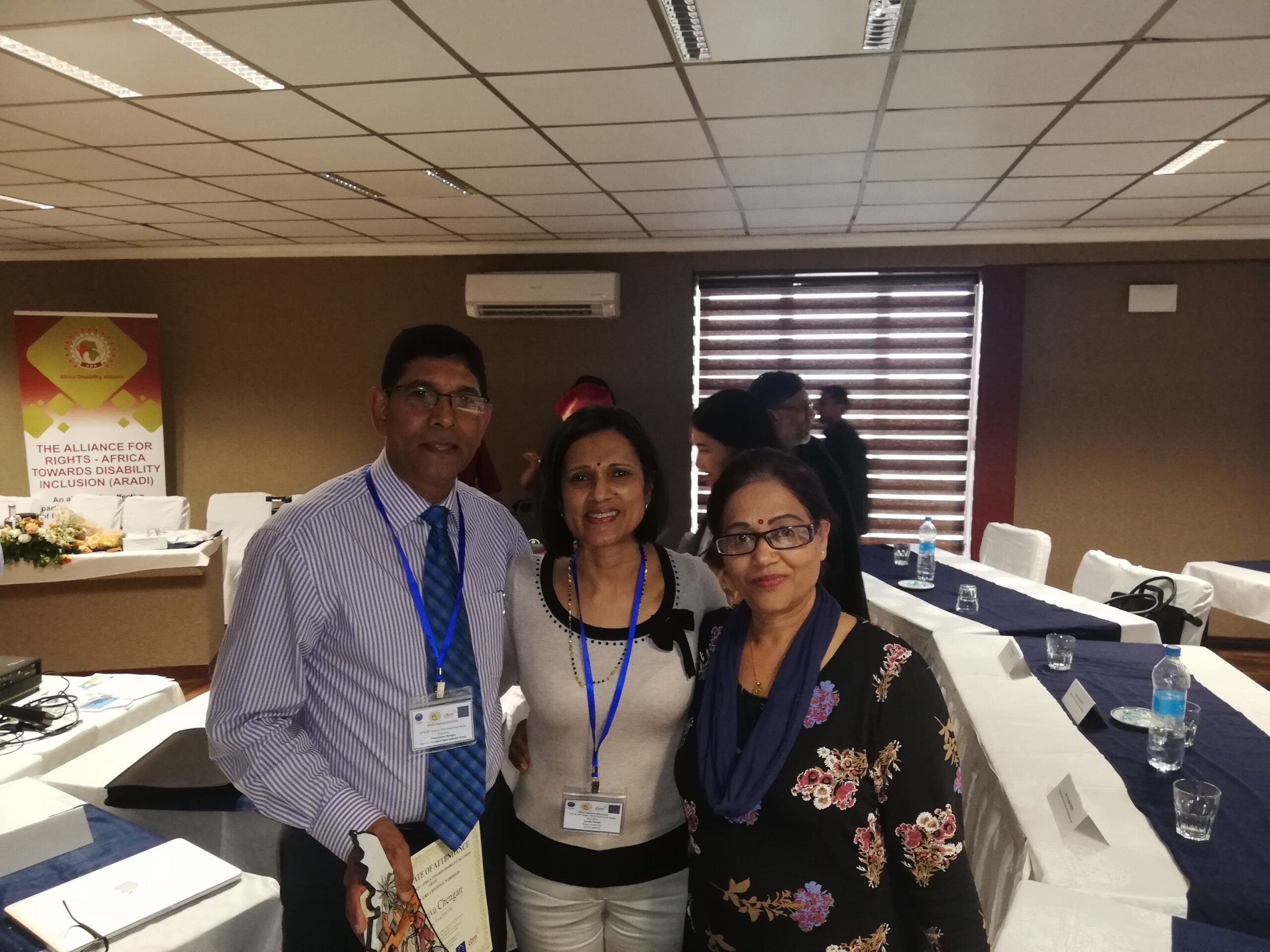
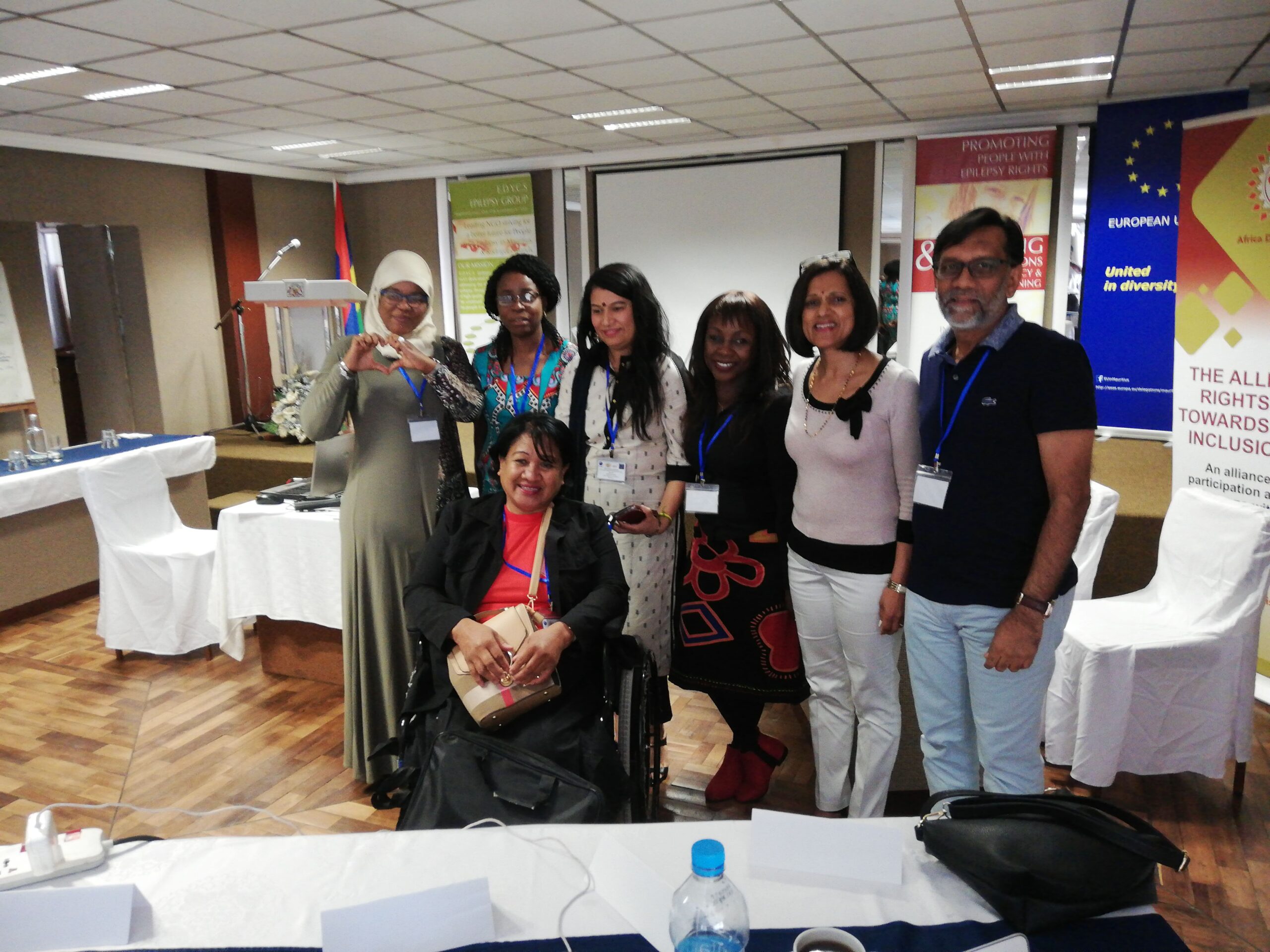
Six member organisations of the Africa Down Syndrome Network have thus far ratified the ADP. (Cameroon, Nigeria, Rwanda, South Africa, Uganda and Zimbabwe)
The ratification of the African Disability Protocol (ADP) stands as a pivotal achievement under the ARADI Project (Advancing Ratification and Implementation of the African Disability Protocol). The ADP, adopted by the African Union in 2018, is a landmark legal instrument that complements the United Nations Convention on the Rights of Persons with Disabilities (UNCRPD) by addressing the specific socio-cultural, political, and economic realities of persons with disabilities in Africa.
Through the collaborative efforts of regional and national stakeholders, including the African Disability Forum (ADF), national federations of persons with disabilities, civil society actors, and government allies, the ARADI Project has played a catalytic role in creating momentum for ratification across the continent.
Key achievements under the ARADI framework include:
Targeted advocacy and capacity-building with national governments and parliamentarians.
Technical support and legal expertise to align national laws with the Protocol.
Public awareness campaigns to promote understanding of the ADP’s importance.
Inclusive consultations with organisations of persons with disabilities (OPDs) to ensure ownership and representation.
As a result of these coordinated actions, several countries have taken concrete steps toward ratifying the ADP, with a growing number already depositing their instruments of ratification with the African Union. This marks significant progress toward securing the 15 ratifications required for the Protocol to enter into force.
The ratification of the ADP represents more than a legal commitment — it affirms Africa’s resolve to uphold the dignity, rights, and full inclusion of persons with disabilities in all spheres of life. The ARADI Project remains committed to sustaining this momentum, bridging gaps between policy and practice, and ensuring that the ADP becomes a living instrument for change across the continent.